




Thanks for stopping by and supporting my small business.
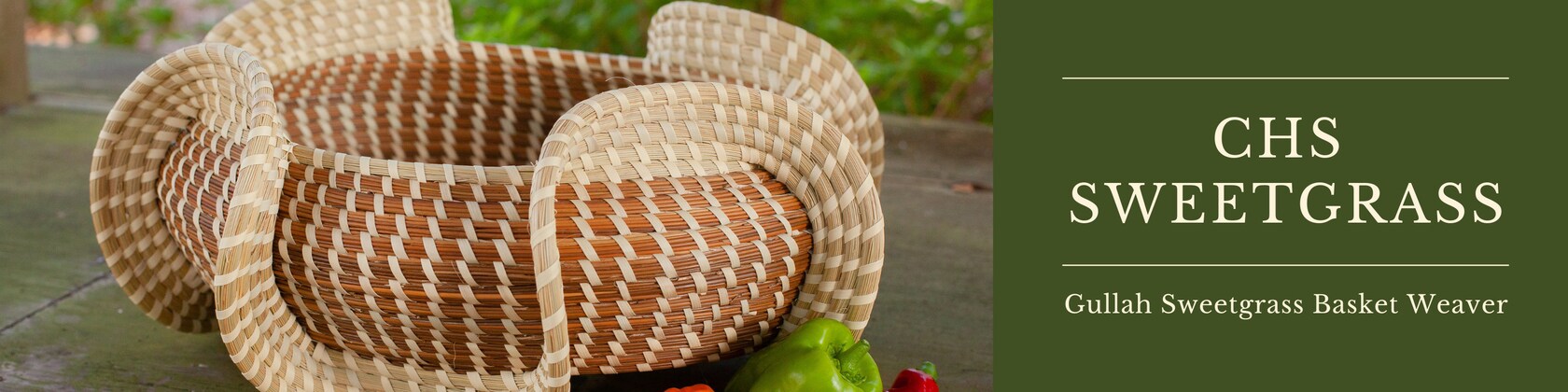
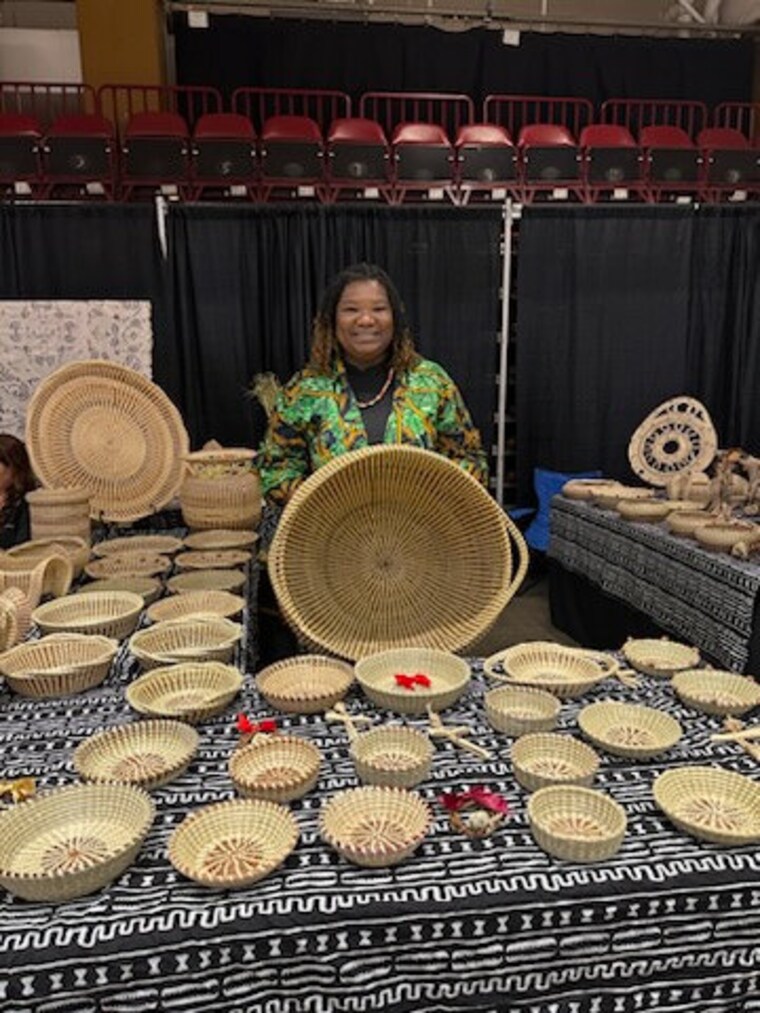
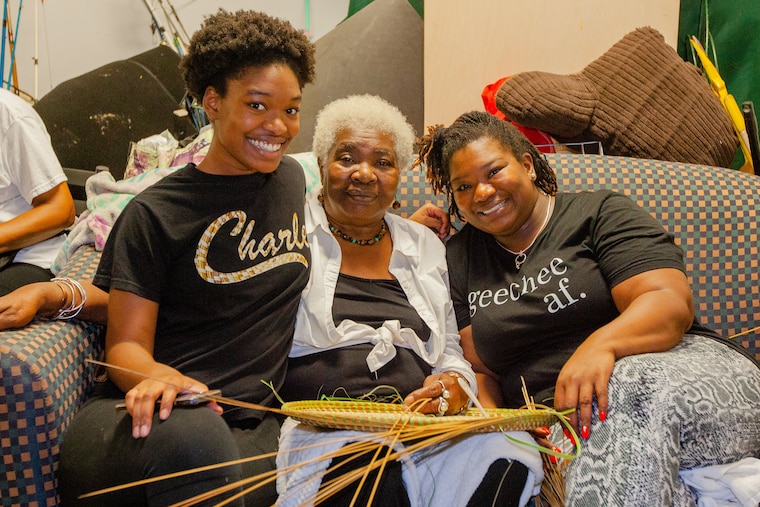
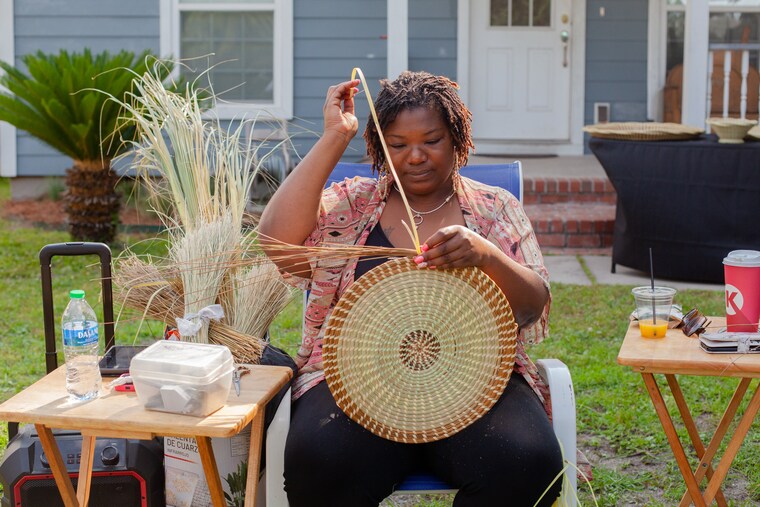
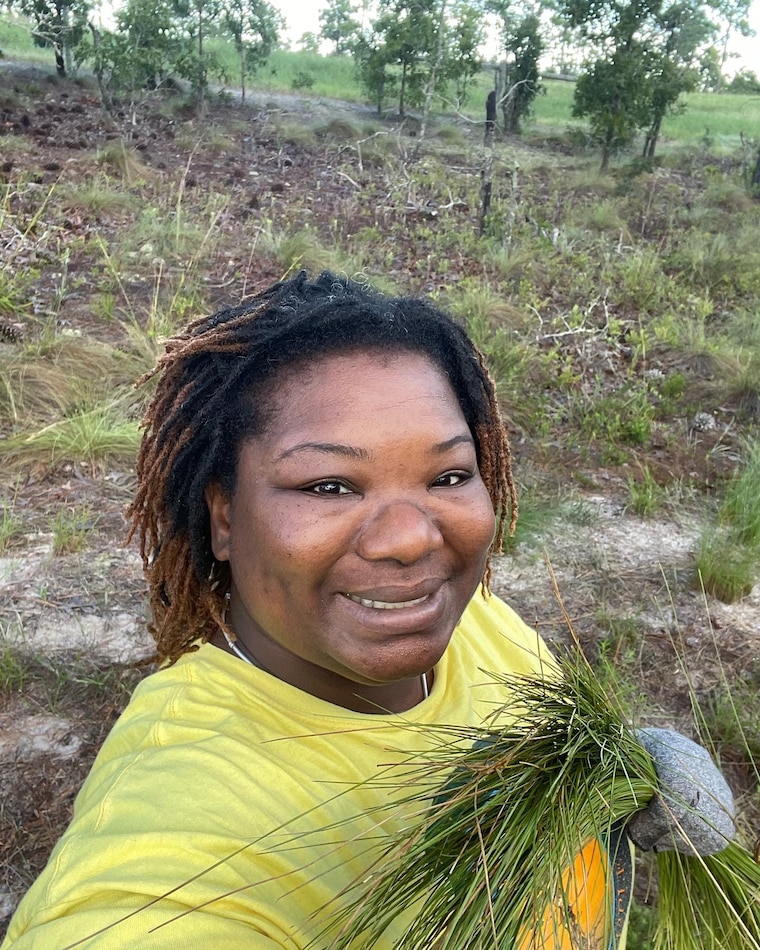
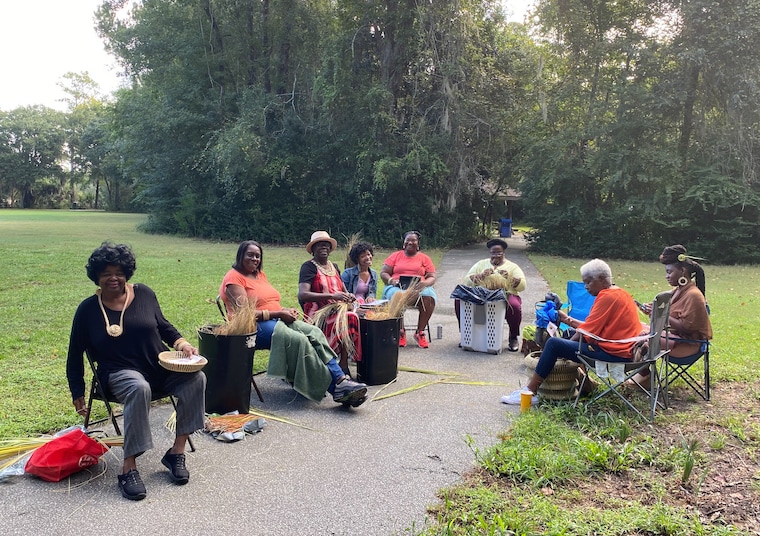
Hi, I’m Andrea "Annie" Cayetano-Jefferson. I live in Mount Pleasant, South Carolina. We are six generations of basket weavers, with my mom, aunts, daughter, and me. My Aunt Linda taught me to sew when I was five; I would make baskets after school and take them to the Charleston City Market on Sundays. My family sold sweetgrass there for over 30 years. My ancestors inspire me to weave, and my family sometimes helps me decide what direction my baskets should take.
I was accepted into the Folklife & Traditional Arts Apprenticeship with my daughter Chelsea in 2021, had my first solo exhibition in 2020 at Anderson University Vandiver Gallery, 2023-a shared exhibition with Master Gullah Sewer Vera Manigault “Sewn by the Sea” at The Arts Center of Greenwood, “Coastal Sweetgrass: Clay & Land & Craft” with clay artist (Gullah/Geechee artist) Ashlyn Pope, Etsy Spring Creator Collab with John Legend, featured in Amazon Fashion Gifted catalog, featured in National Basketry Organization Summer 2023, and commissioned works are on view at Fort Fisher and Brunswick Town/Fort Anderson in North Carolina.
I sew to preserve and sustain my culture, provide for my family, and because I love it!
I AM MY ANCESTORS WILDEST DREAMS
---
History of the Gullah Weavers:
This basket weaving tradition dates back to the 1700s and is considered to be the oldest African craft tradition in the United States, but it remains largely invisible within the national craft landscape.
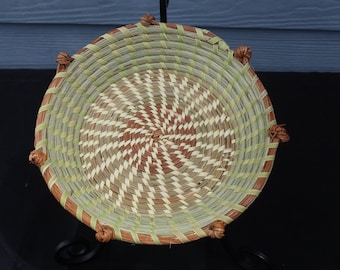
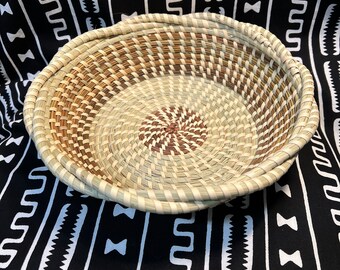
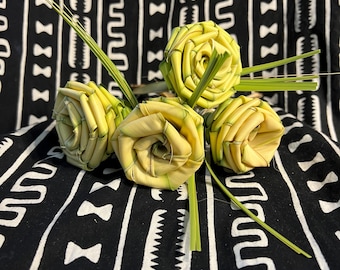
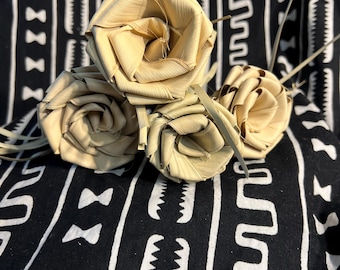
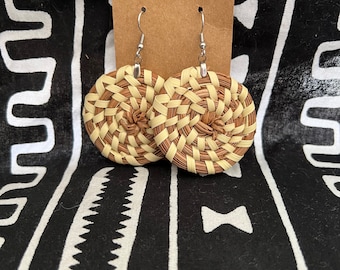
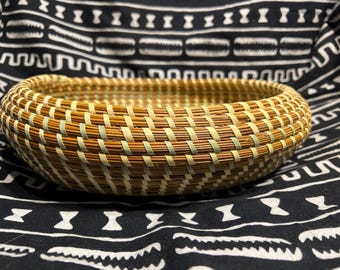
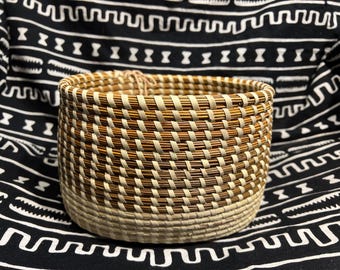
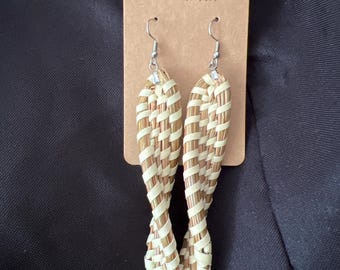
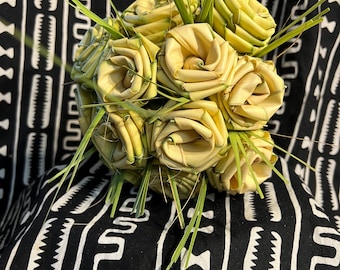
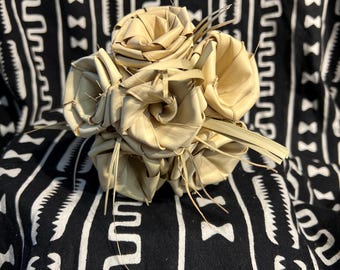
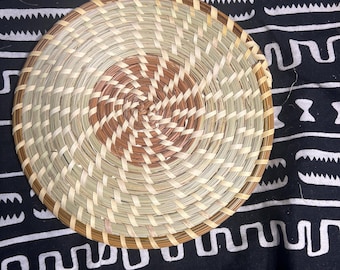
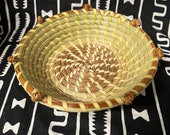
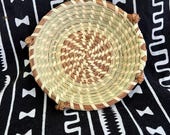
Over the last 10 generations, the Gullah weavers have carried on the craft traditions that were native to their African homelands to create baskets featuring exquisite patterns and intricate weaves, preserving traditional styles such as those once used to winnow rice. They use a combination of locally harvested sweetgrass, pine needles, bulrush, and palmetto to weave their unique pieces. Each weaver prides themselves on being intuitive weavers, each having their own unique and signature weaving styles, meaning no two baskets are ever alike. Their craft tradition is embedded into the cultural and physical landscape of this community which continues to reside in the Lowcountry of South Carolina and the nearby barrier islands.

