












Interesting Facts About the Olive Tree
The olive tree holds profound symbolic and spiritual significance across various cultures and religions worldwide. Revered for its beauty, longevity, and fruitful yield, this tree embodies rich symbolism:
Peace and Reconciliation: The olive branch is traditionally a symbol of peace and reconciliation. This imagery has roots in ancient Greek mythology and the Bible, where a dove returns to Noah with an olive branch in its beak after the Great Flood, signifying the cessation of God's wrath and the start of new life.
Wisdom and Enlightenment: In ancient Greek mythology, the olive tree is dedicated to Athena, the goddess of wisdom and military strategy. According to legend, she bestowed the olive tree upon humans as a symbol of peace and enlightenment.
Longevity and Survival: Olive trees are known for their remarkable ability to survive and bear fruit for hundreds of years, even in harsh conditions. This makes them a symbol of longevity, strength, and resilience.
Sanctity: In many religions, including Christianity, Judaism, and Islam, the olive tree is considered sacred. Olive oil was used in religious rites, including anointing.
Fertility and Abundance: The fruits of the olive tree, olives, and the oil derived from them have long been a valuable food source, symbolizing fertility and abundance.
Healing and Health: Olive oil is traditionally associated with healing and health. In ancient times, it was used as a medicine and in cosmetic applications.
Universal Symbol: Beyond its presence in Western symbolism, the olive tree also holds significance in many other cultures, symbolizing renewal, hope, and immortality.
Thus, the olive tree stands as a powerful symbol with multifaceted meanings, encompassing many aspects of human life and spirituality.
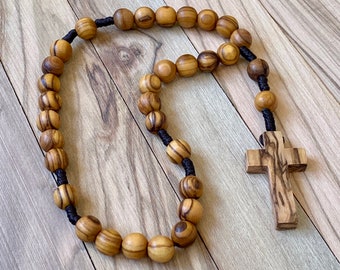
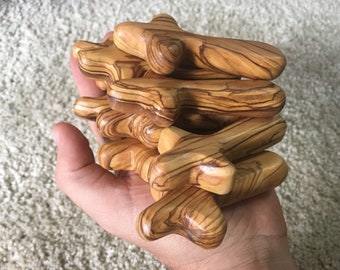
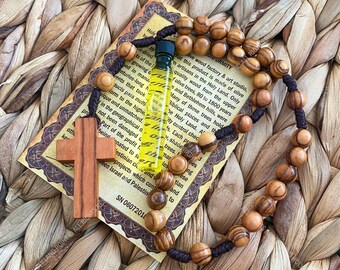
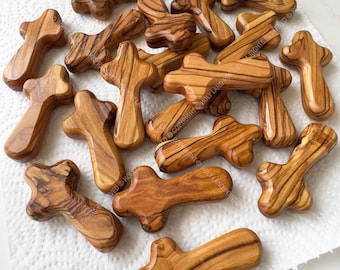
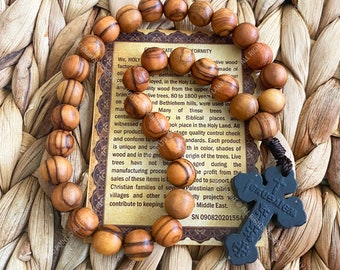
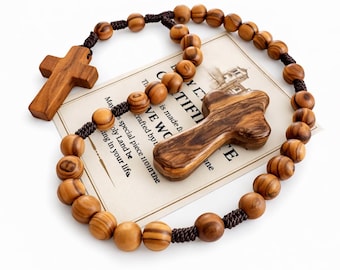
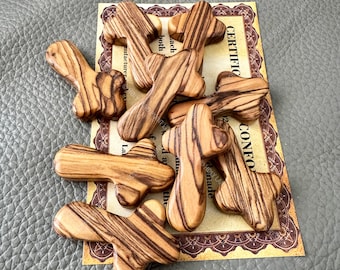
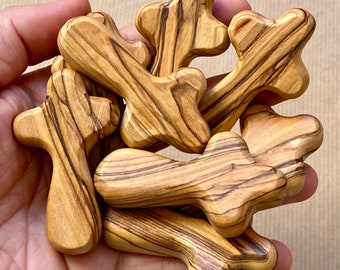
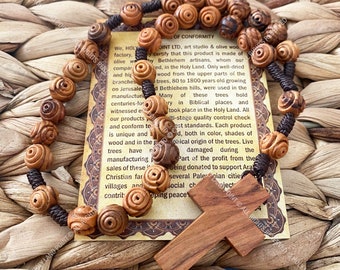
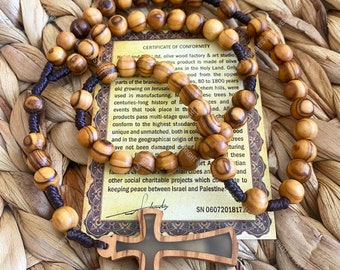
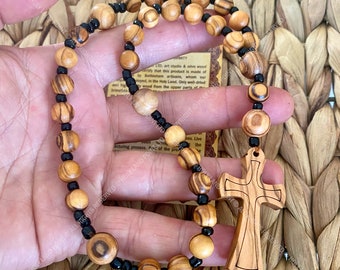
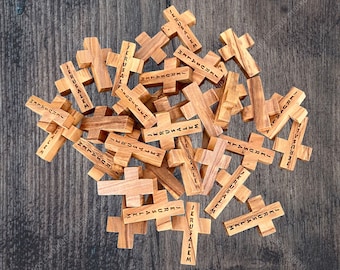
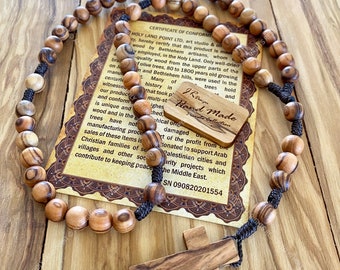
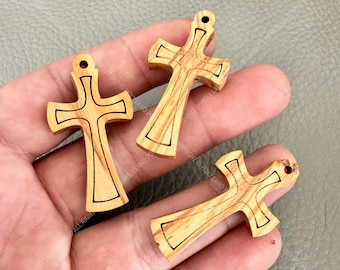
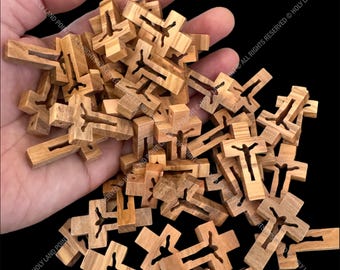
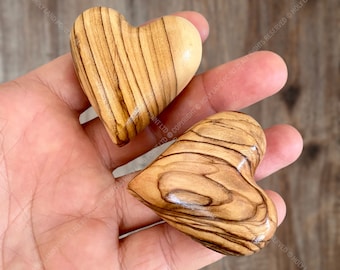
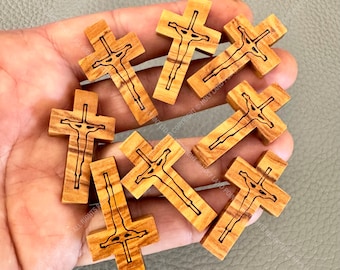
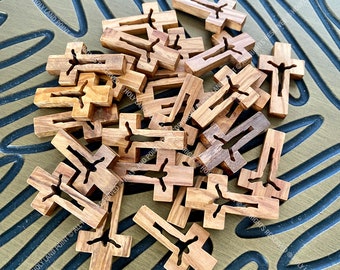
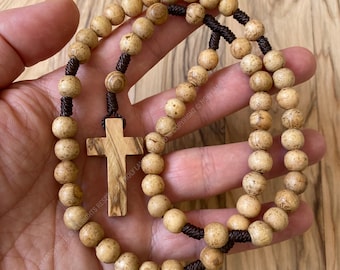
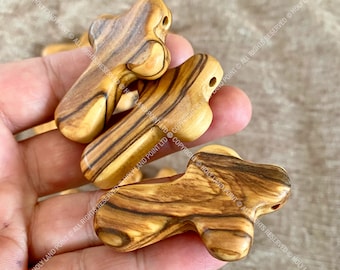
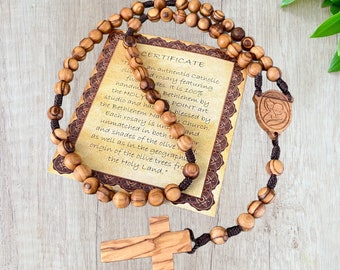
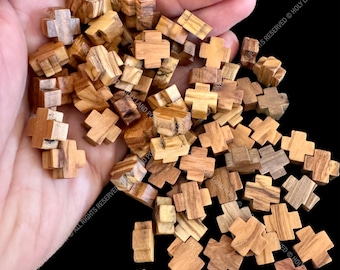
Bethlehem is renowned for the production of Christian goods made from olive wood for several reasons:
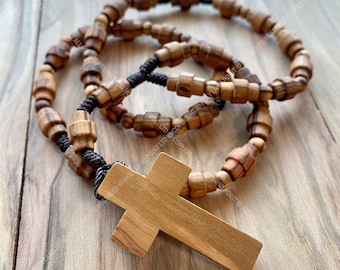
Religious Significance: Bethlehem is one of the most sacred places for Christians worldwide, known as the birthplace of Jesus Christ according to Christian tradition. This attracts pilgrims and tourists seeking religious and spiritual items as memorable souvenirs. The creation of olive wood products with Christian themes caters to this demand.
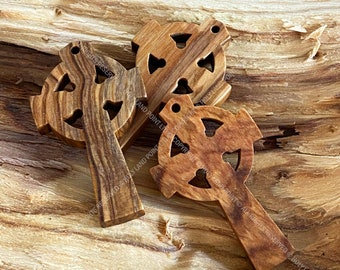
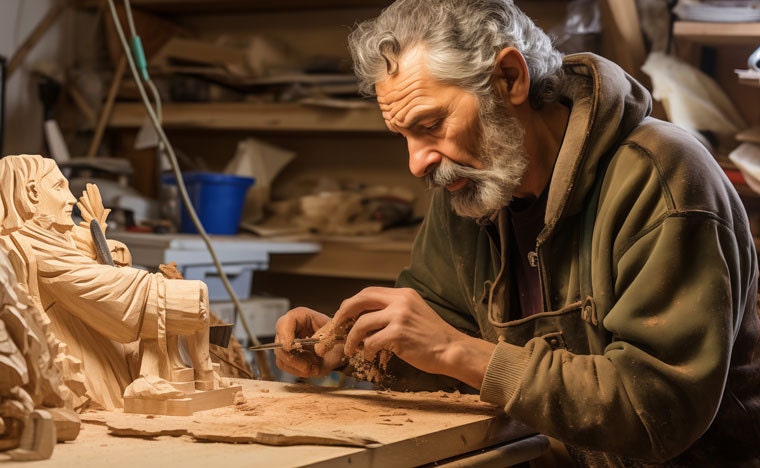
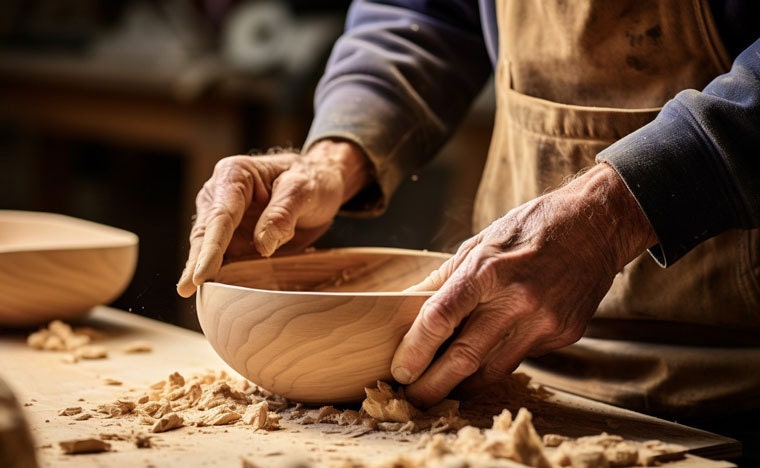
Craftsmanship Tradition: Craftsmen in Bethlehem have passed down the skills of olive wood carving from generation to generation over centuries. This has evolved into a unique art form characteristic of this region.
Availability of Olive Wood: Olive trees are abundant in and around Bethlehem. Utilizing local resources to create religious goods supports the local economy and cultural heritage.
Importance to the Local Economy: The production of Christian items from olive wood is a significant source of income for the local population. It also contributes to preserving the region's cultural identity.
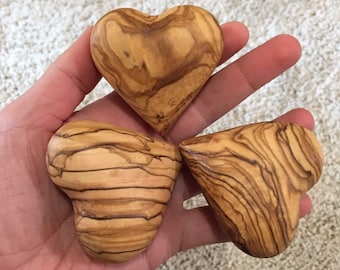
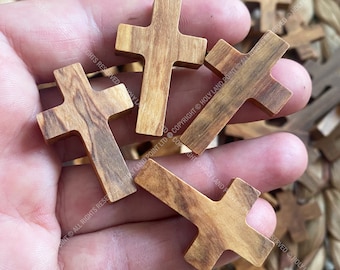
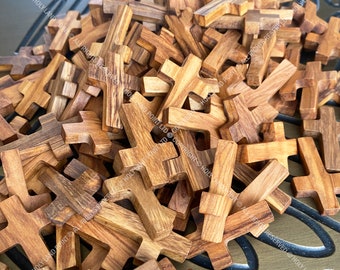
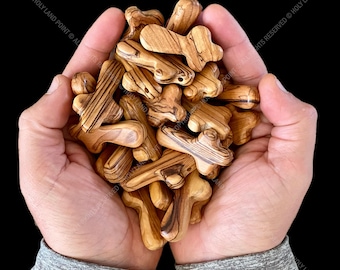
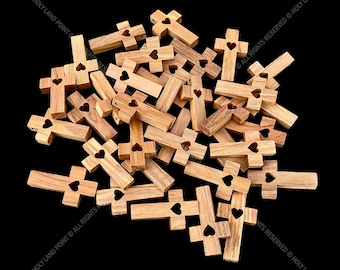
High-Quality Products: Olive wood items made in Bethlehem are known for their high quality. Handcrafted with attention to detail and embedded in deep religious context, these goods are especially valued by believers.
Thus, the combination of Bethlehem's religious importance, local craftsmanship traditions, availability of olive wood, and contribution to the local economy and culture makes this region particularly famous for its Christian olive wood products.
