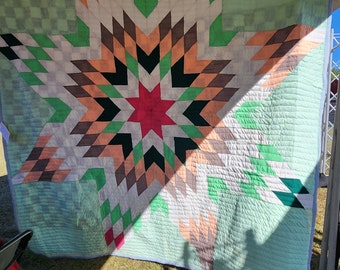
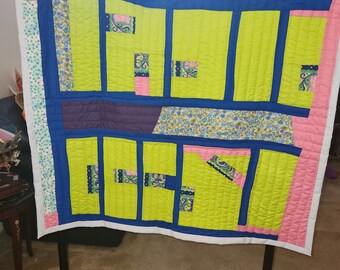
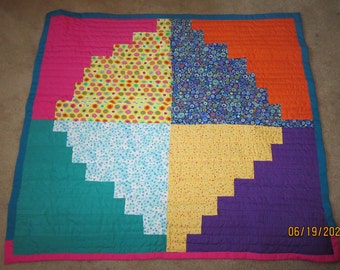
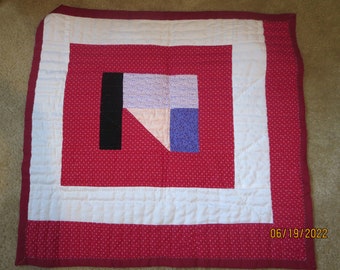


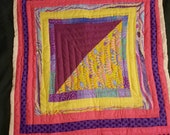

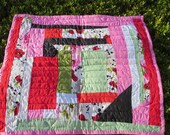
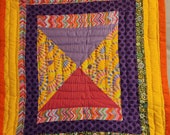
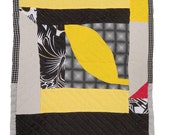


Thank you for visiting my shop!
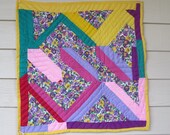
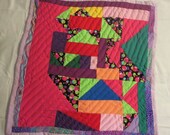
The Marine Corps has a slogan: “Improvise, adapt and overcome”. Those are the words I like to use when I think about myself and my quilting style; I don't let things stand in my way and I make the best with what I have.
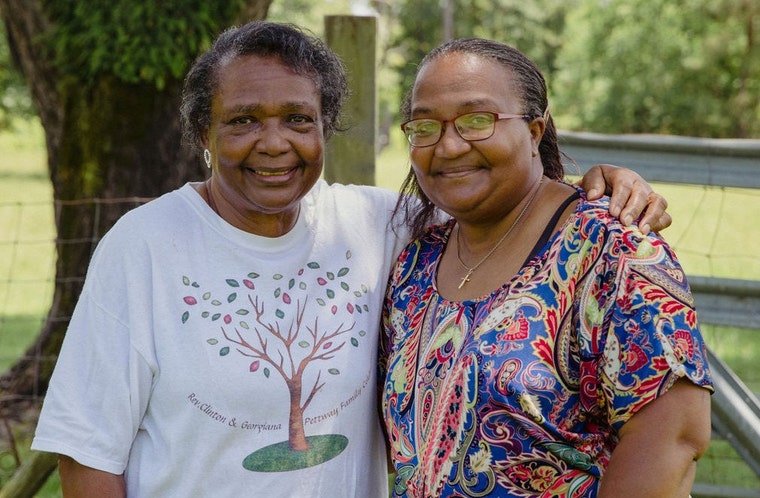
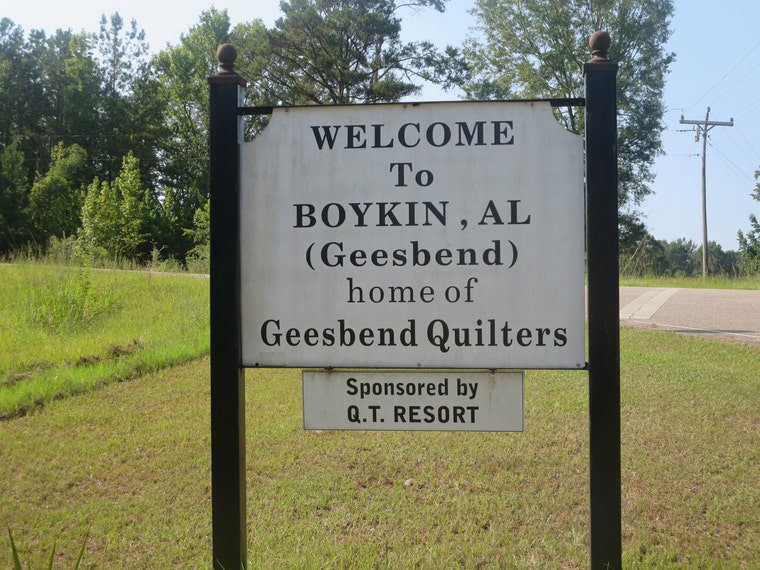
My name is Delia Pettway Thibodeaux. I was born and raised in Gee’s Bend, Alabama and I am a third generation quilter. I’m named after my grandmother, Delia Bennett. I am the eighth of 10 siblings who grew up on a working farm. The long hours and very hard work taught me some valuable lessons that have helped me through some difficult times in my life.
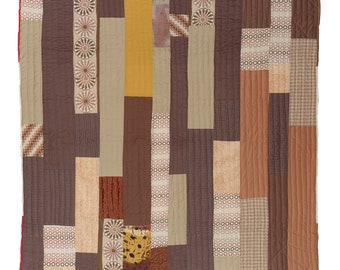
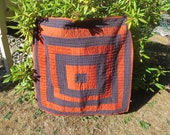
I learned to quilt from my mother and older sisters. I made my first quilt when I was 13. I remember it like it was just yesterday; it was a two toned browned bricklayer made of corduroy. I don’t remember where we got the fabric because fabric was so scarce back then, (you literally had to use every scrap of cloth you could find to make a full quilt) but it was enough to make a quilt that kept me warm at night. Like my mother, I taught my daughter and granddaughter to repurpose fabric and make quilts. It makes me so happy when my granddaughter sits by me and put pieces together and make her own little creations (sometimes it's just something for her Barbie Dolls). Although fabric is not as scarce as it was back then, I still use every scrap of fabric I can piece together. I don’t like to waste anything.
I think there must be something inherent in the women of Gee’s Bend. Regardless of when we learned to quilt, we’re able to adapt the style and make our own unique “imperfectly perfect” creations. I moved around a lot through the years but I never stop sewing. I’m inspired by the things I see in nature, many of the places I’ve lived but mostly by my older sister Stella. Like many of the quilters in Gee's Bend, my quilts often turn out to look different than what I think they will when I start. But in the end, they all turn out beautiful. So, I do hope you enjoy your purchase.
--
The women of Gee’s Bend—a small, rural, community in Alabama's Black Belt—have created hundreds of quilt masterpieces dating from the early twentieth century to the present. Resembling an inland island, Gee’s Bend is surrounded on three sides by the Alabama River. The some seven hundred or so inhabitants of this small, rural community are mostly descendants of enslaved Africans who, for generations, worked the fields belonging to the local Pettway plantation. Quiltmakers there have produced countless patchwork masterpieces, with the oldest existing examples dating from the 1920s. Enlivened by a visual imagination that extends the expressive boundaries of the quilt genre, these astounding creations constitute a crucial chapter in the history of American art.
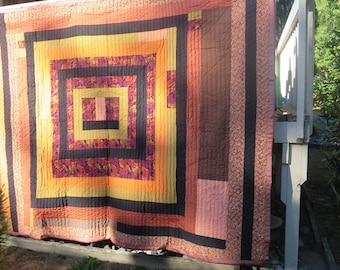
Gee’s Bend quilts carry forward a proud tradition of textiles made for home and family. They represent only a part of the rich body of African American quilts, but they are in a league by themselves. Few other places can boast the extent of Gee’s Bend’s artistic achievement -- the result of both geographical isolation and an unusual degree of cultural continuity. In few places across the country have works been found by three - and sometimes four - generations of women in the same family, nor have many works been discovered that bear witness to visual conversations among community quilting groups and lineages. Gee’s Bend’s heirloom pieces stand out for their flair—quilts composed boldly and improvisationally, in geometries that transform recycled work clothes and dresses, feed sacks, and fabric remnants.