





















Why is Pope St. Linus our Patron?
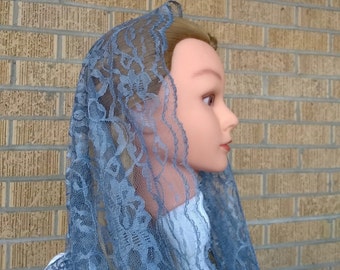
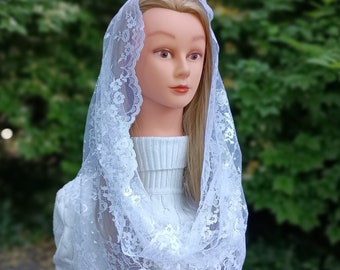
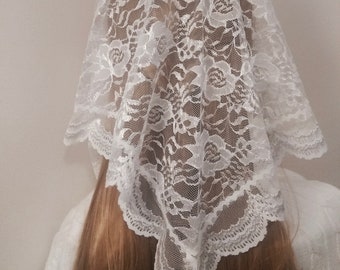
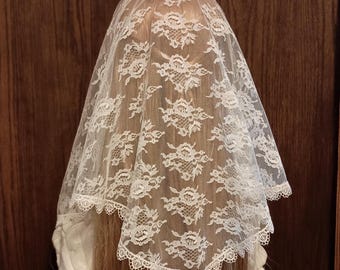
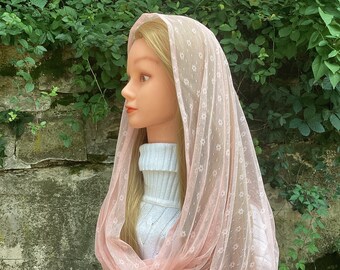
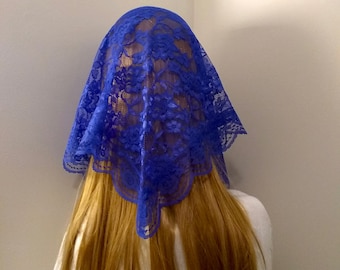
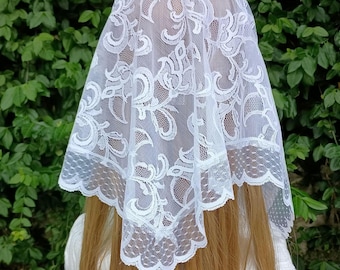
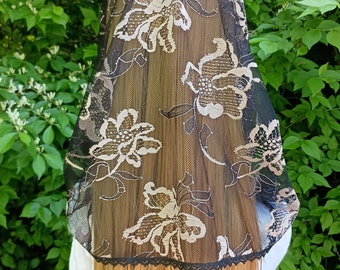
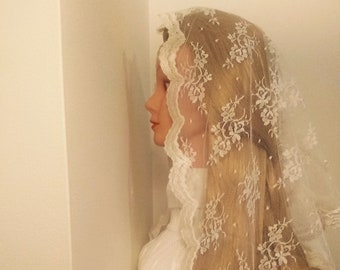
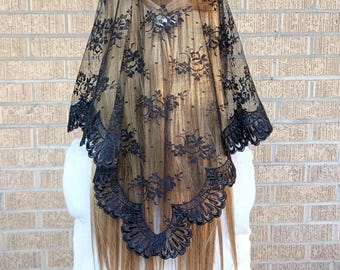
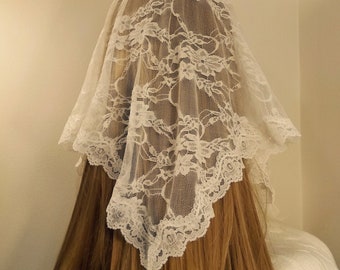
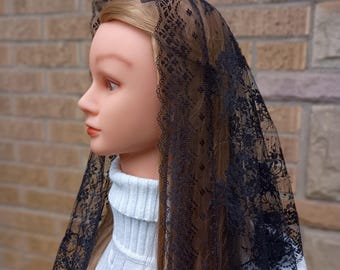
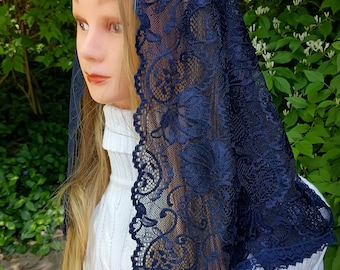
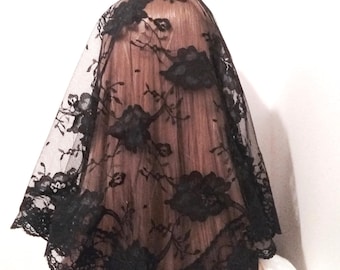
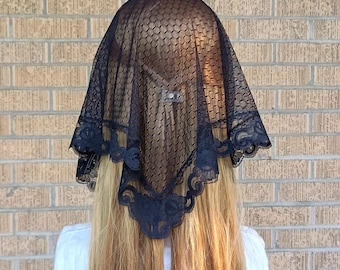
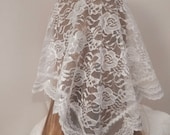
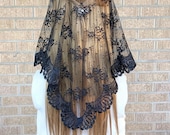
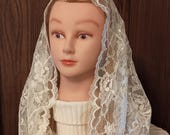
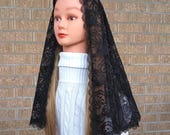
The Roman Breviary and Tradition teach that Pope St. Linus was “the first to govern the Church after Peter. His faith and holiness were so great that he not only cast out demons but also called the dead back to life. He wrote the Acts of St. Peter, particularly what Peter had done against Simon the magician. He decreed that no woman should go into a church without having her head veiled” (Matins, Sept 23).
Many times those making their way back to Tradition in our Holy Catholic Church find themselves wondering about some of the old ways and customs. The wearing of chapel veils is often counted among them. Do women really have to wear a veil in the church or when praying? The 15th Century victim soul and mystic, St. Lydwine of Schiedam, found herself drawn to heaven ...and her experience there teaches us the answer to this question. It is impressive how she realized that she had no will in the matter but was open to whatever God’s Holy Mother wanted...
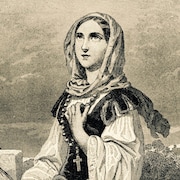
In his biography of St. Lydwine, Thomas a Kempis, author of The Imitation of Christ, recounts this affecting story: once the saint " was led to contemplate the joys of eternal life. There indeed she saw how God Almighty enjoyed His own glory in Himself, according to that 'I am the first and the last' (Is. xli 4), and 'I will not give my glory to another' (Is. xlii 8); she saw also how the holy martyrs, confessors, prophets, virgins, and other orders of the blessed enjoyed their glory in themselves, and for overflowing delights were mutually transfused into one another. When she had gazed upon these joys, many saints addressing her sweetly comforted her and, exhorting her to patience, spake thus: 'What trouble or harm is it to those who are here now, that in the world they suffered many adversities for Christ?' Then the most blessed Virgin Mary approached her in great glory, and kindly addressing her, questioned her, saying: 'Why, most dear daughter, hast thou come with head uncovered and unadorned?' Then this virgin replied: 'Most dear Lady Virgin Mary this is the will of the Lord and my God, and thus my conductor brought me here.' After many familiar colloquies then of the Mother of God with this virgin, the time coming wherein she should return to her bodily senses, Christ’s Mother addressed these words to her: 'Most dear daughter, do manfully, and let thy heart be strengthened in the bearing of sorrows; because for these things which thou sufferest now, thou shalt gain wondrous and great glory.' The blessed Virgin also added, saying, 'Wouldst thou have a veil upon thy head?' She replied: “I cannot here have a will of my own.” When therefore she had looked to her angel guide, and he, seeing that she resigned her own will, had consented that she should accept; 'Receive,' quoth the Blessed Virgin, 'this veil upon thy head...'”
(Excerpt taken from St. Lydwine of Shiedam by Thomas a' Kempis Part II, Chapter VII.)
