







A well-equipped studio where the music always plays
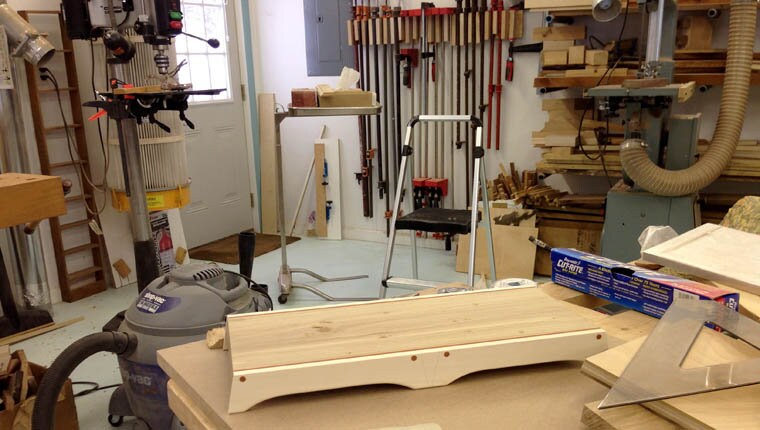
I designed my studio so that it would be a place I love to go. And it is. With radiant heat, high ceilings, lots of windows, a central dust collection system, four great-sounding speakers, and access just two steps down through my office doorway, it's a very zen workspace. I love to work in my studio. And with great music always playing, you'll often find me stopping to dance in the middle of a project.
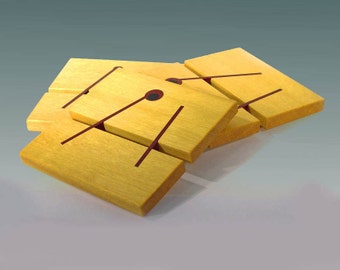
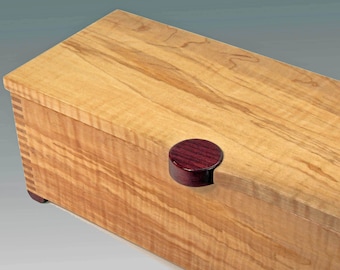
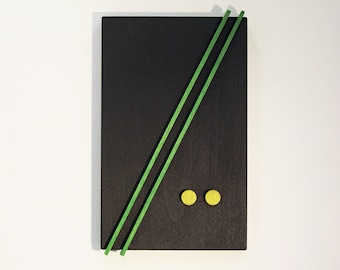
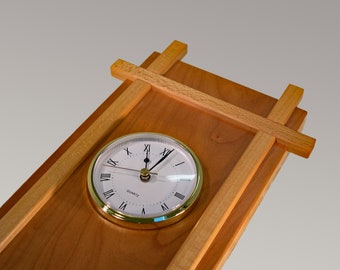
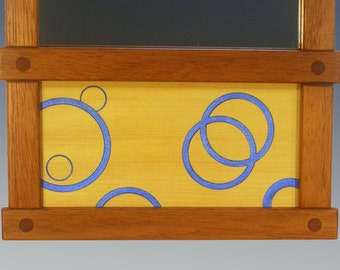
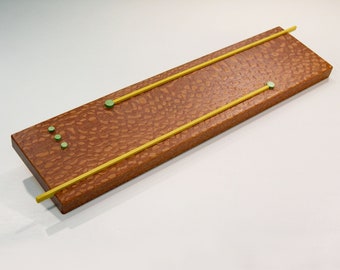
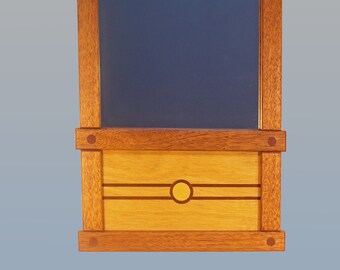
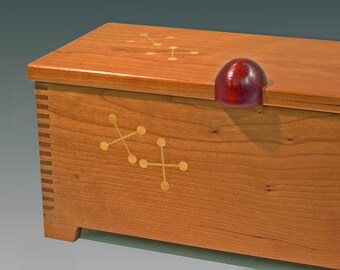
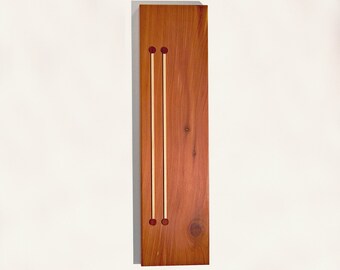
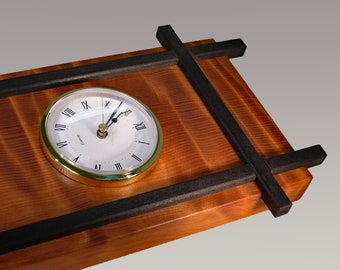
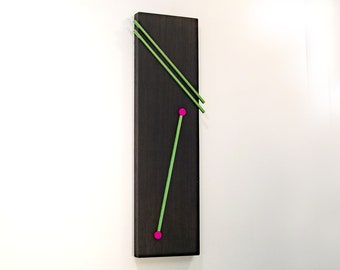
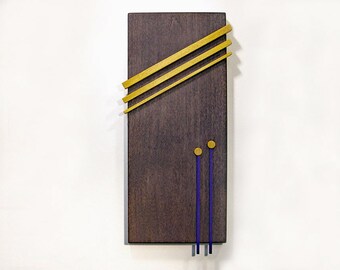
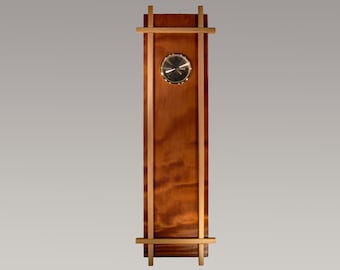
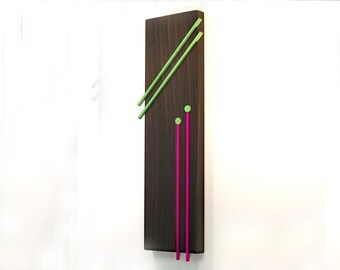
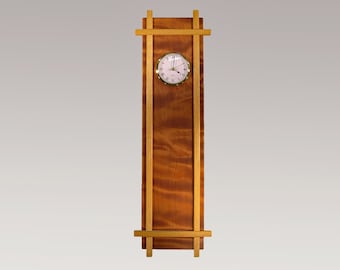
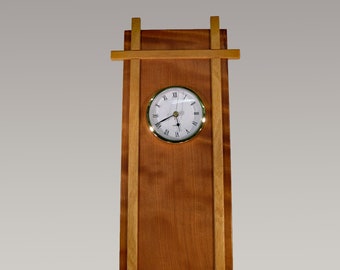
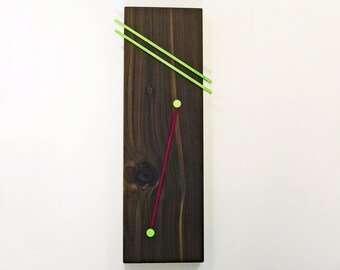
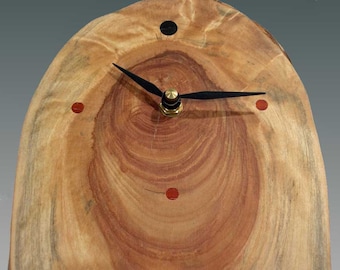
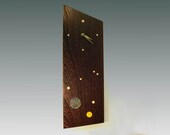
How I begin a project varies. Sometimes I set out to make several pieces of a specific type--clocks, for example. And sometimes I pull an absolutely gorgeous figured board from the lumber rack and think about how I can best showcase its fabulous grain or color. As you'll notice when you look at my work, I like using dots--round inlays of different species and colors of wood. Put simply, I think they're cool. And I always think they add elegance to a design.
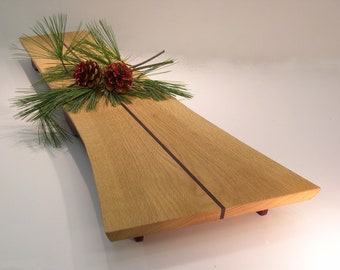
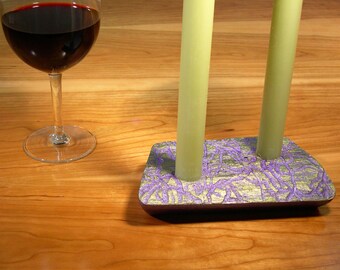
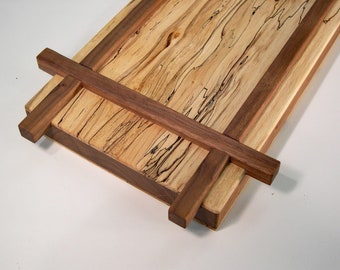
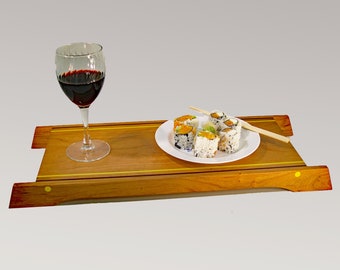
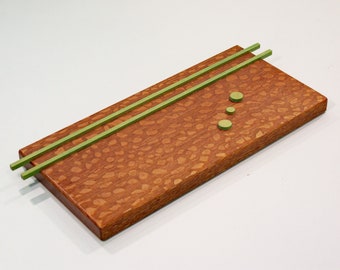
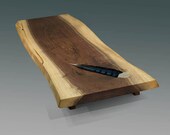
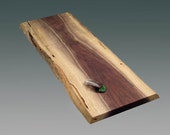
Table sleds are one of my favorite things to make. I coined the term "table sled," by which I mean a beautiful hardwood plank supported by "runners" contoured to evoke the shapes on sleds of old. The very first table sled I made graces my dining room table. There it plays a number of roles--beautiful heat- and food-safe server for presenting hot dishes or cheeses, sushi, and other food items; lovely surface for displaying a holiday centerpiece, candles, or a vase with a beautiful flower. And often my sled stands alone--serving as a simple but elegant art piece that always invites compliments from visitors to my home.
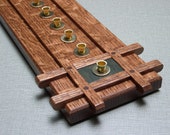
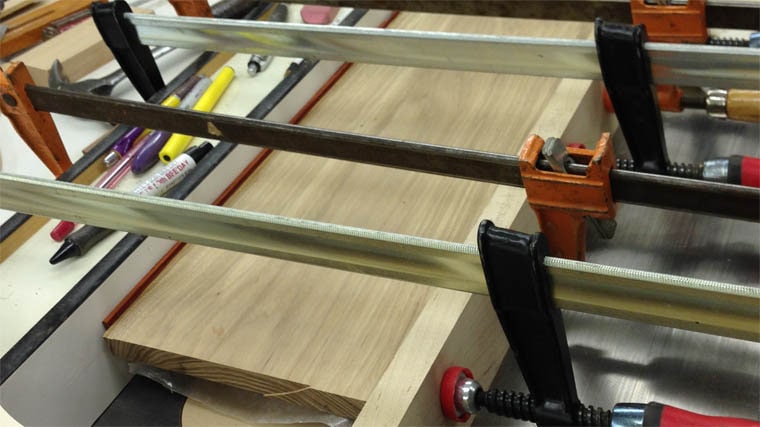
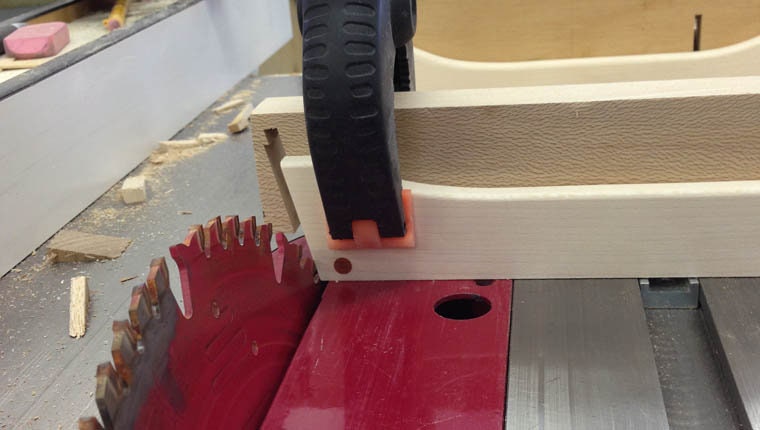
Several pictures on this page show part of the process of building a table sled. After choosing the woods to be used--always being mindful of grain patterns and species' natural colors--I mill the top plank and cut it to size. Then I mill and attach complementary strips or splines, and then finally the runners, which I've contoured to shape and into which I've often added round inlays of contrasting woods. The multi-step sanding process is next. I raise the grain with water between each increasingly finer sanding grit until, finally, all surfaces are as smooth as glass. Last (and most fun) step? I wipe on several coats of a mineral oil/beeswax blend that makes the colors pop and preserves the piece for the multiple uses for which it's intended.
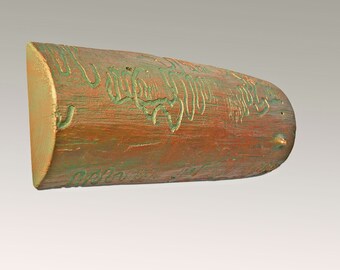
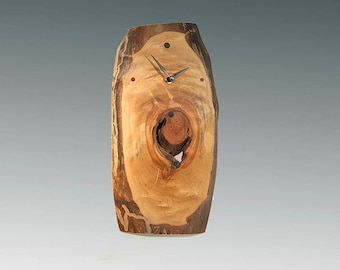
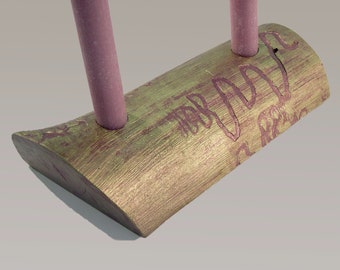
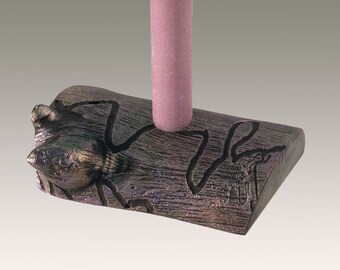
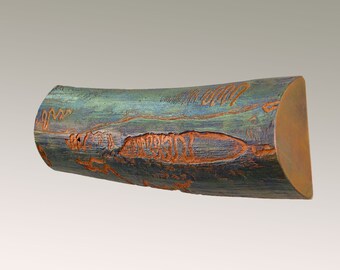
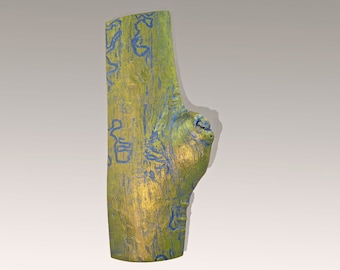
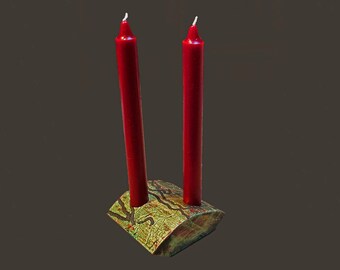
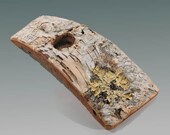
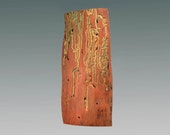
Lately I work a lot with found wood reclaimed directly from the forest. The companion piece on this page explains a bit about that. And for more information about how I came to be a "fine woodworker," read my profile by clicking on my name on the left of my shop's home page.
I welcome you to my Etsy shop. Stay a while, and return often. And if you have questions or comments, please don't hesitate to get in touch with me.
Barbara Goodwin

